
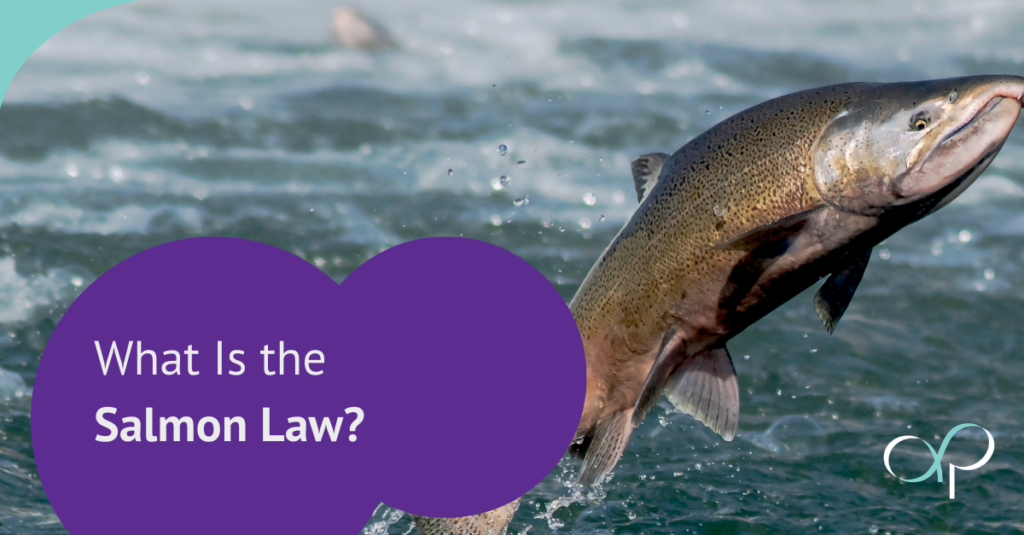
If you’ve ever seen the claim that it’s illegal to “handle a salmon in suspicious circumstances” in the UK, you’ve probably assumed it was one of those quirky, long-forgotten laws dug up for a pub quiz. And while the phrase does sound faintly absurd, Section 32 of the Salmon Act 1986 is very much in force and its purpose is serious.
So What Does It Actually Say?
The popular version of this law — that you cannot walk down a street carrying a fish in a suspicious manner — is a myth. The real provision is rather more purposeful.
Section 32 of the Salmon Act 1986 makes it a criminal offence to receive, dispose of, or retain salmon if you know, or could reasonably believe, that the fish was illegally obtained.
In plain terms: if someone hands you a salmon and something about the situation suggests it was poached, you cannot simply turn a blind eye and accept it.
Why Does This Law Exist?
Salmon poaching was, and remains, a genuine problem in the UK. Wild Atlantic salmon is a commercially valuable and ecologically protected species. Poachers who take salmon illegally from rivers, without a licence, out of season, or using prohibited methods, need somewhere to sell or pass on their catch.
Section 32 targets that supply chain. By criminalising the receipt and disposal of illegally obtained salmon, the law aims to cut off the market for poached fish and make it harder for poachers to profit from their activities.
It is, in essence, a receiving offence similar in structure to handling stolen goods under the Theft Act 1968. The key element is knowledge or reasonable belief. You do not need to have witnessed the poaching yourself; it is enough that the circumstances were such that a reasonable person would have suspected something was wrong.
What Does “Reasonably Believe” Mean in Practice?
This is where the law gets genuinely interesting from a legal perspective. The “reasonable belief” standard is an objective one. It asks not just what you personally believed, but what a reasonable person in your position would have concluded.
Factors a court might consider include the price paid for the fish, the manner and location of the transaction, whether proper documentation existed, and the overall circumstances of how the salmon came to be in your possession.
This matters for anyone in the food supply chain. Fishmongers, restaurant owners, wholesalers… who could, in theory, face liability if they purchase salmon without making reasonable enquiries about its provenance.
The “Suspicious Circumstances” Phrase
So where does the famous phrase actually come from? The words “suspicious circumstances” do not appear verbatim in Section 32, but they capture the spirit of the reasonable belief test well enough that the shorthand stuck. Over time, the legal substance got lost, and what remained was the memorable image of someone lurking suspiciously with a fish.
It is a good example of how legal language simplified for popular consumption can drift a long way from its original meaning.
The next time someone raises it as a quirky legal curiosity, you can set the record straight: the law is real, the offence is meaningful, and the fish in question could land you in very real legal trouble.